
Nasha Mukti Kendra ka naam सुनते ही कई families ke मन में डर, confusion aur questions आ जाते हैं: admission कैसे होगा, patient को क्या बताया जाएगा, detox safe होगा या नहीं, counselling कैसी होगी, और discharge के बाद क्या होगा? Clear process anxiety कम करता है।
Safe Zone Foundation mein treatment ko एक structured journey की तरह देखा जाता है; the values behind this approach are outlined on the About Safe Zone Foundation page. हर व्यक्ति का plan अलग हो सकता है, kyunki substance, duration, age, health, mental state, family situation aur motivation अलग होते हैं। फिर भी एक सामान्य pathway समझना helpful होता है। यह article medical prescription नहीं है; clinical decisions qualified assessment पर depend करते हैं।
1. Confidential enquiry call
Process aksar एक phone या WhatsApp enquiry से शुरू होता है। Family basic concern share करती है: alcohol, drug, relapse, behavior issue, withdrawal symptoms, previous attempts, violence risk या admission urgency. Is call ka purpose judgement नहीं, situation को समझना है। Sensitive medical records खुले WhatsApp message पर share करने की जरूरत नहीं; detailed discussion call या visit पर better रहती है।
2. Basic assessment and suitability
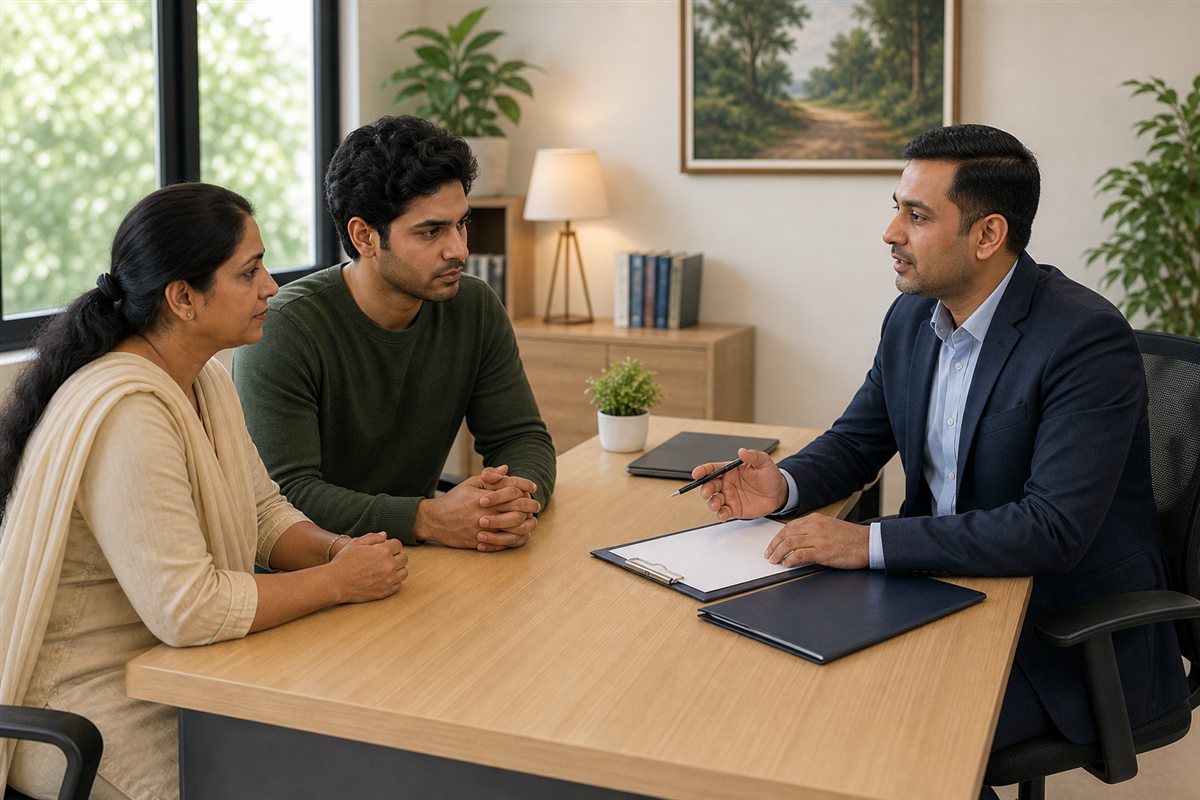
Assessment mein person ki current condition, substance pattern, duration, withdrawal history, health problems, medicines, mental health symptoms और safety risk समझे जाते हैं। यह तय करने में help करता है कि residential recovery suitable है या पहले hospital/medical detox की जरूरत हो सकती है। Severe confusion, seizure, unconsciousness, breathing issue, chest pain या self-harm risk emergency हो सकता है।
Safe Zone Foundation की Assessment & Admission Guidance service इसी clarity के लिए है। Family को expectations, documents, visit timing और next step समझाया जा सकता है।
3. Admission preparation
Admission से पहले family को basic सामान, medicines, ID, emergency contact, previous reports और comfort items ready रखने पड़ सकते हैं। Patient ko respectful manner mein situation explain करना चाहिए। झूठ बोलकर या sudden shock देकर admission कराने से trust issue बढ़ सकता है। कुछ cases में firm decision जरूरी होता है, लेकिन language humane होनी चाहिए। Families travelling from nearby Uttarakhand can also review Best Nasha Mukti Kendra in Sitarganj before planning a visit.
4. Detox support and early stabilization
Early phase सबसे sensitive हो सकता है। Body substance ke bina adjust करती है, cravings strong हो सकती हैं, sleep disturbed हो सकती है, और mood unstable हो सकता है। Alcohol ya certain drugs में withdrawal medically risky हो सकता है। इसलिए detox को सिर्फ “band kar do” approach से handle नहीं करना चाहिए। Appropriate medical assessment और supervision की जरूरत case के according तय होती है।
5. Structured daily routine

A Rehabilitation Centre ka core part routine है। Fixed waking time, meals, hygiene, rest, group activities, reflection, counselling, light physical activity और sleep schedule धीरे-धीरे body aur mind को stability देते हैं। Addiction chaotic patterns create करती है; routine un patterns ko replace karta है। Routine boring लग सकता है, लेकिन यही repetition recovery में discipline बनाता है।
6. Counselling and group work
Counselling mein triggers, denial, guilt, anger, cravings, relationship damage, money issues, future planning aur relapse warning signs par work hota है। Individual conversations person ko अपनी story समझने में help करती हैं। Group sessions accountability aur connection बनाते हैं। Patient को यह एहसास हो सकता है कि recovery अकेले की लड़ाई नहीं है।
7. Family orientation
Family को process में शामिल करना important है। घर पर कौनसे rules होंगे, cash handling कैसे होगी, old friends से distance कैसे रखेंगे, discharge के बाद follow-up कैसे होगा, और relapse signs पर क्या response होगा, ये सब पहले discuss होना चाहिए। Family ko patient ko केवल watch नहीं करना; उसे structured support देना सीखना है। Family Counseling recovery plan ka बड़ा हिस्सा है।
8. Relapse prevention and aftercare
Treatment centre se बाहर जाते ही real-world triggers वापस आते हैं। इसलिए discharge से पहले aftercare direction जरूरी है। इसमें daily schedule, support contacts, high-risk places, emergency plan, follow-up counselling, healthy activities और family check-ins शामिल हो सकते हैं। Relapse prevention एक document भरने से नहीं, daily practice से काम करता है।
Family ko kya questions poochne chahiye?
- Initial assessment mein किन चीजों की जानकारी चाहिए?
- Withdrawal risk होने पर क्या protocol रहेगा?
- Family visits और updates कैसे होंगे?
- Daily routine और counselling structure कैसा होगा?
- Discharge के बाद aftercare guidance कैसे मिलेगी?
Treatment process samajhkar decision lein.
Call se pehle safety, documents, family expectations aur admission suitability ko clearly discuss kar sakte hain.
Realistic expectations
Treatment miracle नहीं, structured opportunity है। Patient ko honesty, participation aur patience की जरूरत होती है। Family ko भी repeated trust-building, boundaries और communication पर काम करना होता है। Recovery में ups and downs आ सकते हैं। Aim perfection नहीं; aim है safer choices, stronger routine और relapse risk को कम करना।