Nasha chhodna sirf willpower ka kaam nahi hota. Addiction body, mind, routine, relationships aur emotions ko ek saath affect karti hai. Isliye recovery ke liye practical plan chahiye, jisme safety, counselling, family support aur daily structure शामिल हो।
Bahut log sochte hain, “Bas kal se nahi karunga.” Intention achha hota hai, lekin bina plan ke cravings, purane dost, stress, sleep problem ya withdrawal phir se person ko use ki taraf kheench sakte hain. Safe Zone Foundation mein hum recovery ko ek step-by-step process मानते हैं: pehle situation samjho, phir safe environment banao, phir daily habits ko replace karo, aur phir relapse prevention par kaam karo. Families from Majhola can also review Best Nasha Mukti Kendra in Majhola for location-specific enquiry guidance.
1. Apne triggers ko naam do
Trigger koi bhi cheez ho sakti hai jo nasha karne ki urge badha de: salary day, loneliness, old friend circle, fight at home, boredom, physical pain, ya “sirf ek baar” wali thinking. Jab trigger clear hota hai, tab uske liye response plan ban sakta hai. Ek diary mein likhein: craving kab aayi, kitni strong thi, us time mood kya tha, aur aapne kya kiya.
2. Sudden stopping ko lightly na lein
Alcohol, sleeping pills, opioids ya kuch drugs अचानक बंद करने पर withdrawal dangerous ho sakta hai. Tremors, seizure, confusion, vomiting, hallucination ya severe restlessness emergency signs ho sakte hain. Nasha chhodne ka decision strong hai, lekin safety usse bhi important hai. Detox ya withdrawal ke liye qualified medical assessment lena zaruri ho sakta hai. Alcohol-related withdrawal risk samajhne ke liye Alcohol Addiction Treatment guidance helpful ho sakti hai. Severe symptoms mein nearest hospital ya emergency support se turant संपर्क करें।
3. Daily routine ko recovery tool banayein

Addiction aksar routine ko tod deti hai. Sleep late, meals skip, money problems, arguments aur secrecy life ka part ban jaate hain. Recovery mein simple routine powerful hota hai: fixed wake-up time, clean meals, bathing, light exercise, counselling session, reflection, rest aur family call. A Rehabilitation Centre isi structure ko daily practice banata hai. Jab din structured hota hai, mind ke paas craving ke liye खाली space कम होता है।
4. Support system ko active rakhein
“Main akela kar lunga” kabhi-kabhi pride lag sakta hai, lekin recovery mein isolation risk badhata hai. Ek responsible family member, counsellor, trusted friend ya recovery group se regular contact rakhein. Support ka matlab control karna nahi; support ka matlab timely reminder, safe boundary aur honest conversation है। Family ko bhi सीखना पड़ता है कि मदद कैसे करनी है और enabling कैसे avoid करनी है। Family Counseling se ye boundaries aur communication clearer ho sakte hain.
5. Craving ke liye 20-minute plan banayein
Craving permanent nahi hoti. Bahut baar urge wave ki tarah aati hai aur thodi der mein कम हो जाती है। Jab craving aaye, turant ye steps try karein:
- 10 deep breaths lein aur paani piyein.
- Us jagah se door ho jaayein jahan use ka risk hai.
- Ek support person ko call ya message karein.
- 20 minutes walk, stretching ya shower karein.
- “Aaj nahi” ka decision repeat karein, “hamesha” ka pressure mat banayein.
6. Professional counselling ko weakness na samjhein

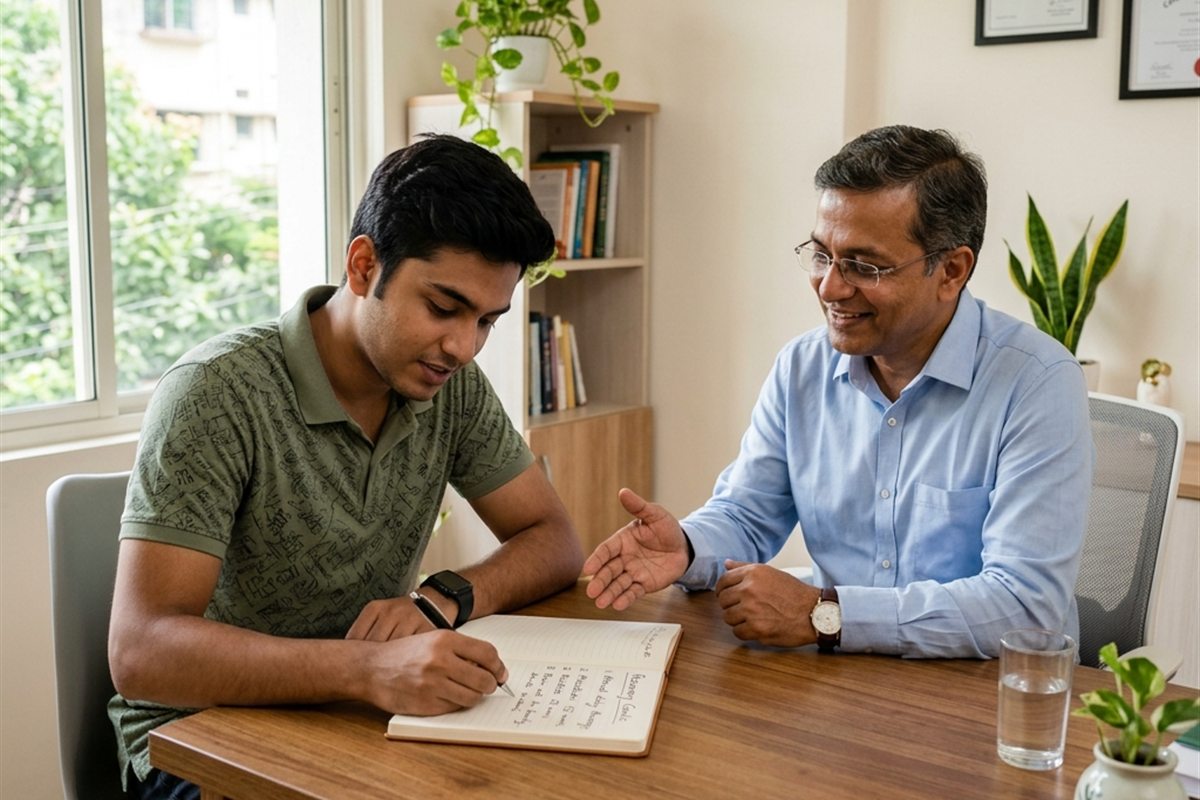
Counselling mein sirf lecture nahi hota. Isme denial, guilt, anger, cravings, relationship damage, financial stress aur future planning par practical kaam hota hai. Individual counselling person ko apni story samajhne mein help करती है, aur group support batata hai ki recovery अकेले नहीं करनी पड़ती। Safe Zone Foundation ki counselling services isi clarity par focus karti hain.
7. Relapse prevention pe pehle din se kaam karein
Relapse ka matlab failure nahi, par warning जरूर है। Isliye plan pehle se ready hona chahiye: kin logon se distance, phone mein kaunse contacts, cash handling kaise hogi, high-risk events kaise avoid honge, aur ghar mein boundaries kya hongi. Recovery ka matlab sirf nasha band karna nahi, balki nasha wapas na aaye uske liye life ko reorganize करना है।
Plan ke bina willpower akeli pad sakti hai.
Recovery ke liye assessment, support, routine aur admission suitability par private guidance lein.
Family ke liye practical guidance
Family ko patient se प्यार भी होता है और frustration bhi. Dono emotions normal hain. Lekin daily taunts, public shame, पैसा देकर problem cover करना, ya har baar “last chance” bolkar rules ignore karna recovery ko कमजोर कर सकता है। Family ko clear boundary, calm communication aur treatment follow-up par focus करना चाहिए। अगर situation confusing है, तो Safe Zone Foundation se confidential baat करना पहला सही कदम हो सकता है।